
Affiliate disclosure: We may receive compensation when readers use certain links. The order companies appear in is set by each company's published IRA minimum, not by compensation. See our affiliate disclosure.
Gold IRA education & provider information
What Is a Gold IRA? A Plain-English Guide to How It Works
A Gold IRA lets you hold physical, IRS-eligible precious metals inside a self-directed retirement account. We explain how the process works in plain English and summarize publicly available information about several providers, including minimums, fees and services.
- IRS-eligible bullion standards
- Education before any purchase
The basics, without the mailers
What a Gold IRA actually is
A self-directed retirement account that can hold certain eligible physical precious metals. Tax treatment depends on whether the account is traditional or Roth and on the individual circumstances involved. Three parties make it work:
The Custodian
A licensed trust company that administers the account and files the IRS paperwork. Every IRA has one — yours just specializes in metals.
The Dealer
The company that sells you the coins and bars. This is who the comparisons on this site cover, and where pricing, disclosures and service practices can vary.
The Depository
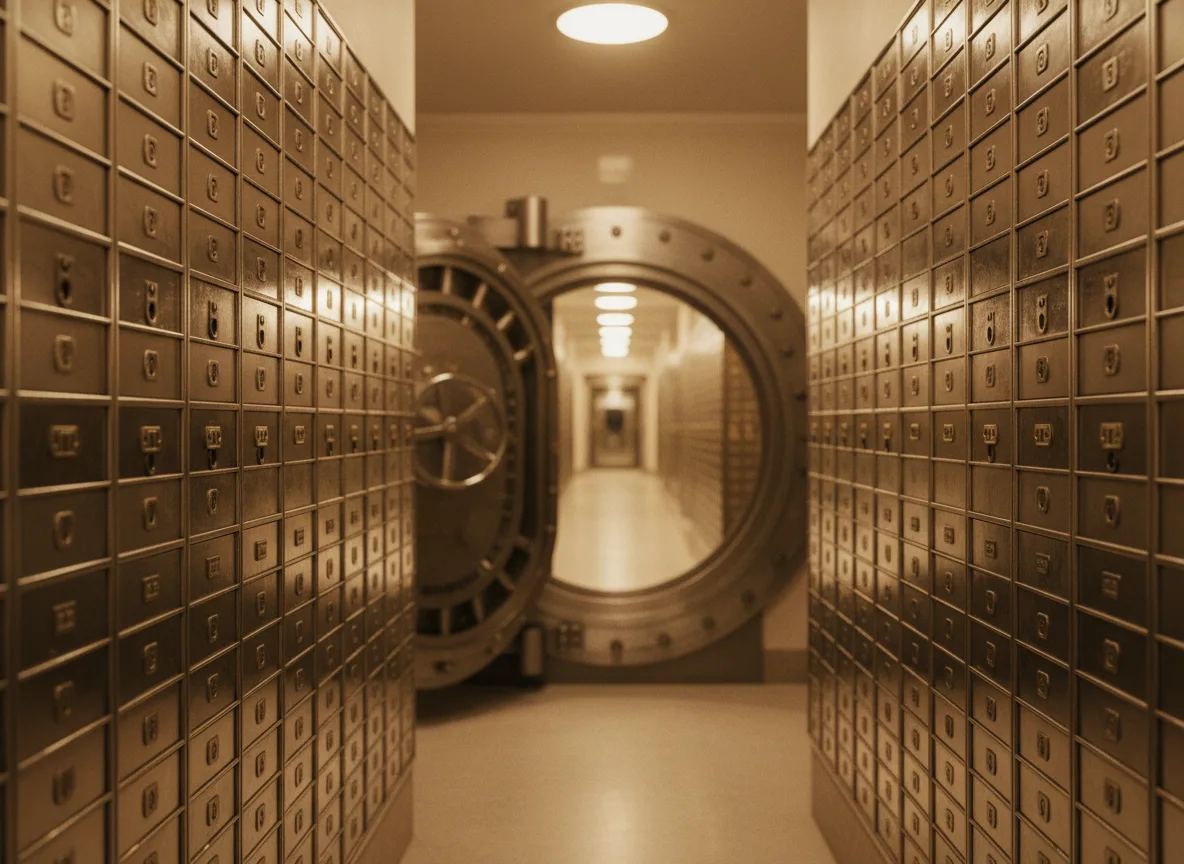
Eligible metals must be held by a qualified IRA trustee or custodian, often through a depository accepted by that institution. Storage, insurance, auditing and segregation arrangements vary. Home storage is not permitted inside an IRA.
New to the terms? See the gold IRA glossary
From the desk of Adam Zimmerman
As the owner of Syl-Lee Antiques, I have more than 20 years of hands-on valuation experience, much of it spent sitting at kitchen tables evaluating rare collectibles, fine art, jewelry, and other estate property. That experience has taught me the importance of clearly explaining how value is determined and what someone is being charged.
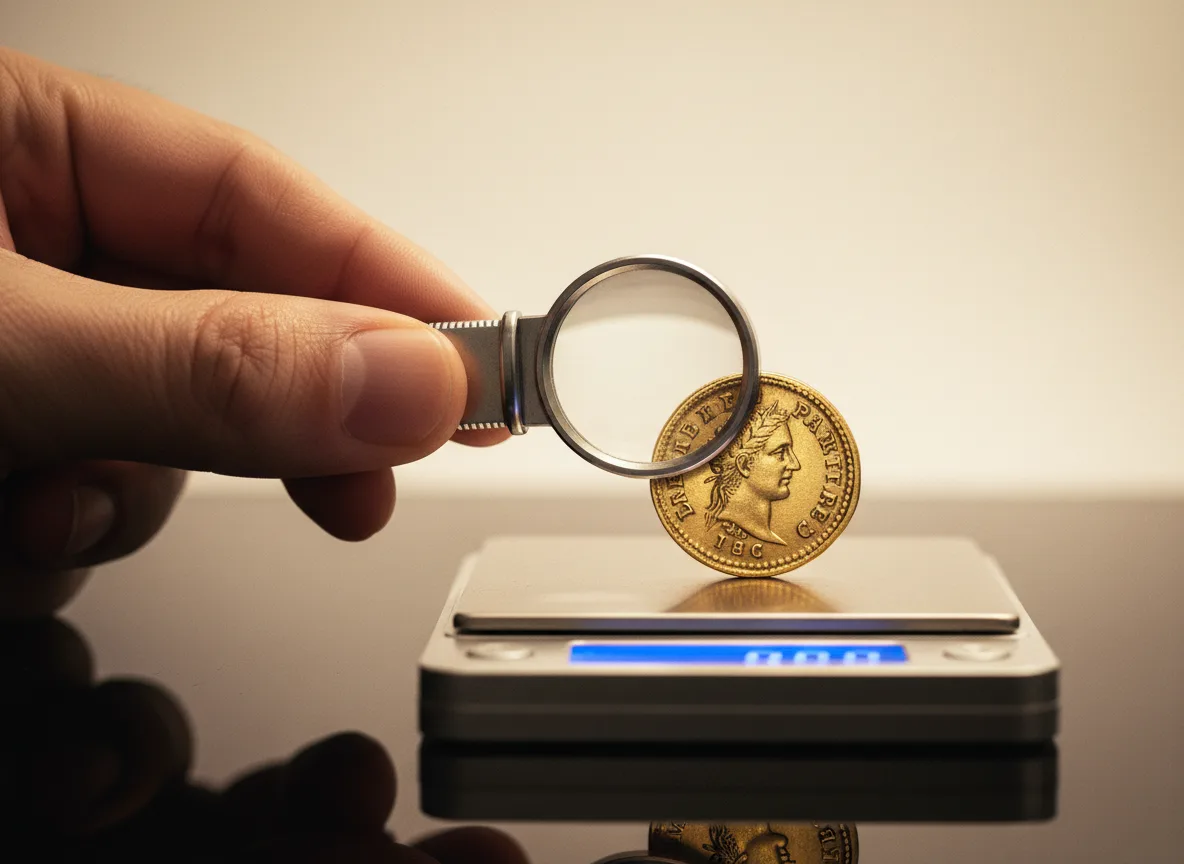
People also ask me how physical bullion is priced. Relevant pricing factors can include the type of metal, weight, purity, current spot price, and any dealer premiums or spreads. Final prices can vary among products and dealers, so consumers should ask for all costs to be clearly explained.
That is why I created WhatIsGoldIRA.com. Gold IRAs involve specific rules, service providers, storage arrangements, fees, and risks. My goal is to explain the general process in plain English — without predictions, pressure, or promises — so readers can ask better questions and understand the information providers give them.
Gold IRAs and precious metals are not appropriate for everyone. This website provides general educational information and does not offer investment, financial, legal, or tax advice. Before making any retirement-related decision, speak with qualified independent professionals who understand your individual circumstances.
Adam Zimmerman
Owner of Syl-Lee Antiques
Author of Antique Help: Making Sense So You Can Make Some Cents
Manhattan, New York
The rollover, demystified
From 401(k) to vaulted gold in four moves
Opening and funding a Gold IRA generally involves account-opening and transfer paperwork. Timing and requirements vary.
Open the account
A specialist gold company pairs you with a licensed custodian who opens a self-directed IRA in your name. Paperwork, not commitment — nothing has moved yet.
Roll over the funds
Your existing IRA or old 401(k) transfers custodian-to-custodian. A direct rollover or trustee-to-trustee transfer is generally not taxable when completed in accordance with IRS rules. Eligibility and tax treatment depend on the account types and individual circumstances.
Choose your metals
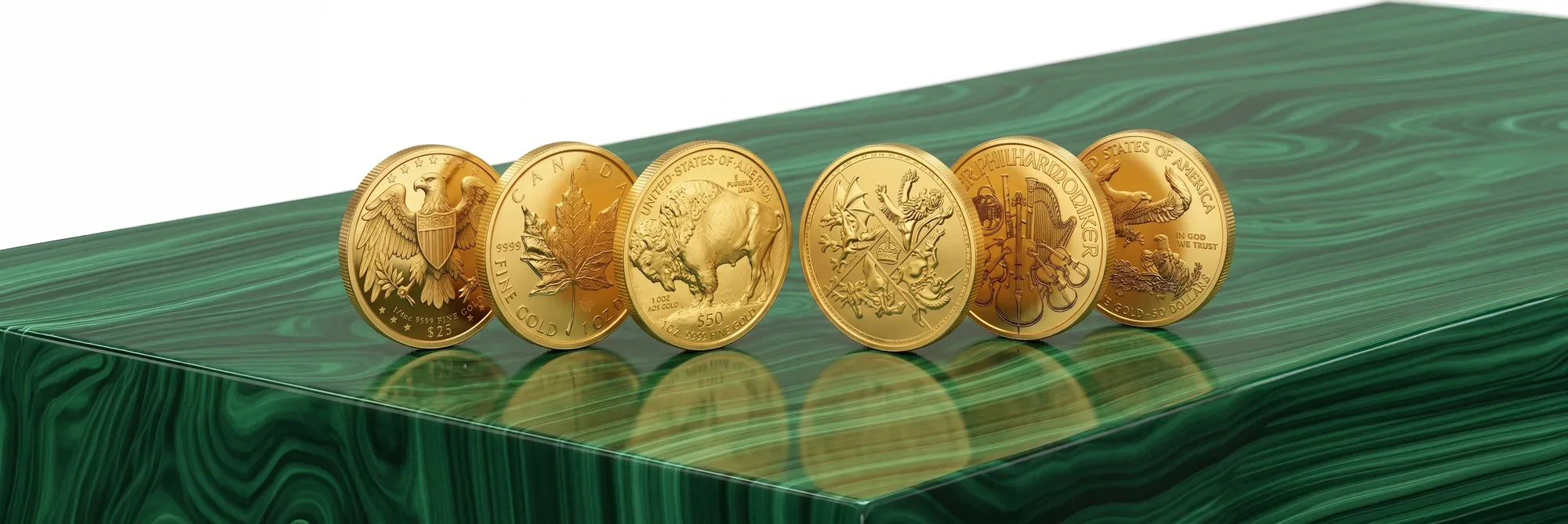
You select from bullion meeting the IRS fineness requirements, such as Eagles, Maple Leafs and Philharmonics. Before authorizing a purchase, ask for the product, quantity, total price, and premium or spread in writing.
Held by the custodian
Eligible metals must be held by a qualified IRA trustee or custodian, often through a depository accepted by that institution. Storage, insurance, auditing and segregation arrangements vary, and what your statement records depends on whether storage is segregated or commingled.
Augusta states its first session covers education, not a sales close.
Provider information
Gold IRA Provider Information
Review published information from several Gold IRA providers, including educational resources, stated account minimums, fee disclosures and buyback policies.
Published IRA minimums — highest to lowest
Companies are listed by the IRA minimum each one publishes. We do not rank them, score them or name a best provider. We are paid if you use some of the links below, and that compensation does not affect this order.
Augusta Precious Metals
Published IRA minimum
$50,000
Notable for
Publishes a $50,000 minimum and a one-on-one education session before purchase
Goldco
Published IRA minimum
Generally $25,000
Notable for
States it handles most rollover paperwork on the client's behalf
Noble Gold Investments
Published IRA minimum
$20,000
Notable for
Offers IRA accounts plus direct home-delivery bullion purchases
American Hartford Gold
Published IRA minimum
$10,000
Notable for
Publishes a $10,000 minimum for precious metals IRAs
Birch Gold Group
Published IRA minimum
$10,000
Notable for
Educational resources, rollover assistance, and flexible custodian and storage options
What the IRS allows
Which coins are eligible
Only certain coins and bullion meeting federal eligibility rules may be held in an IRA. Most collectible and numismatic coins are not eligible, and individual custodians may maintain narrower accepted-product lists.
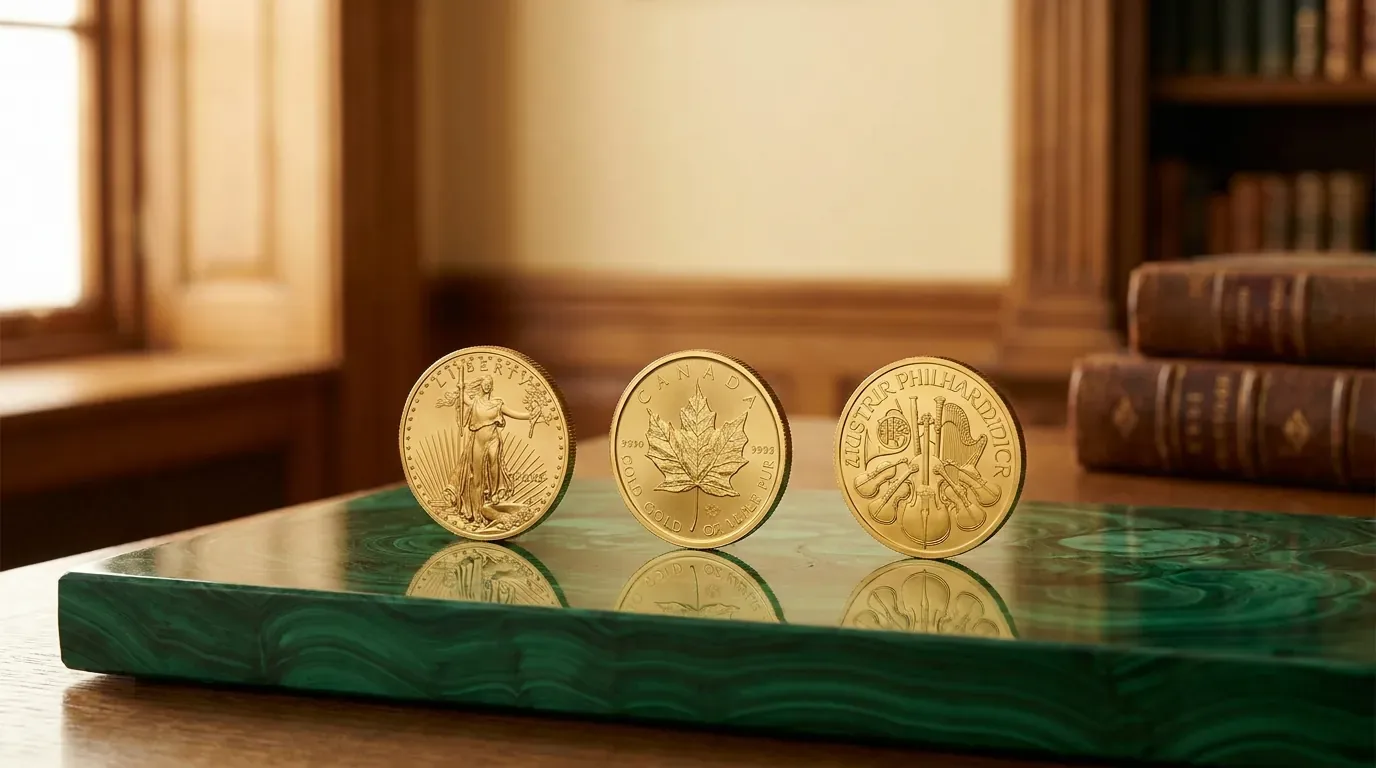
Underlying metal value begins with weight × purity × spot price. Purchase and resale prices may also reflect dealer premiums, spreads, product type, availability and market conditions.
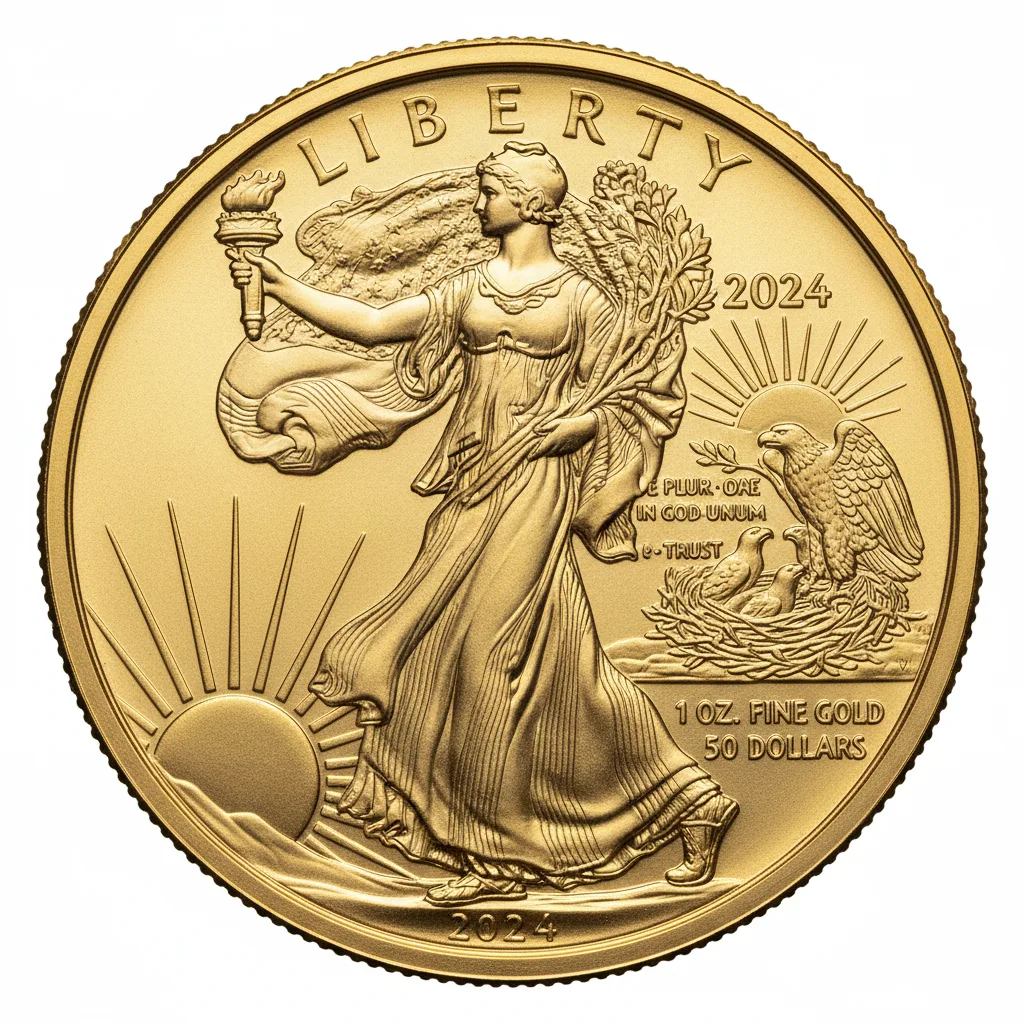
American Gold Eagle
U.S. Mint — A statutory exception to the general gold fineness requirement
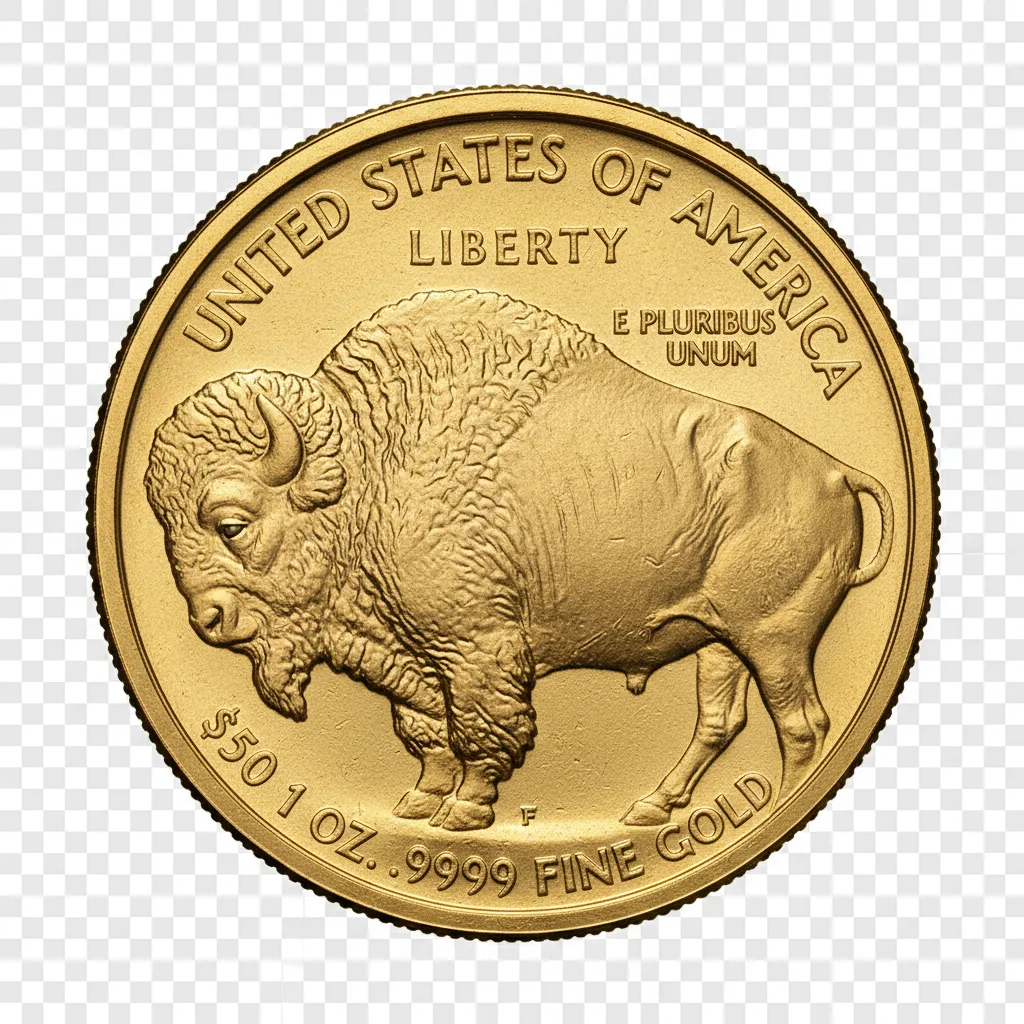
American Gold Buffalo
U.S. Mint — 24-karat gold, struck by the U.S. Mint
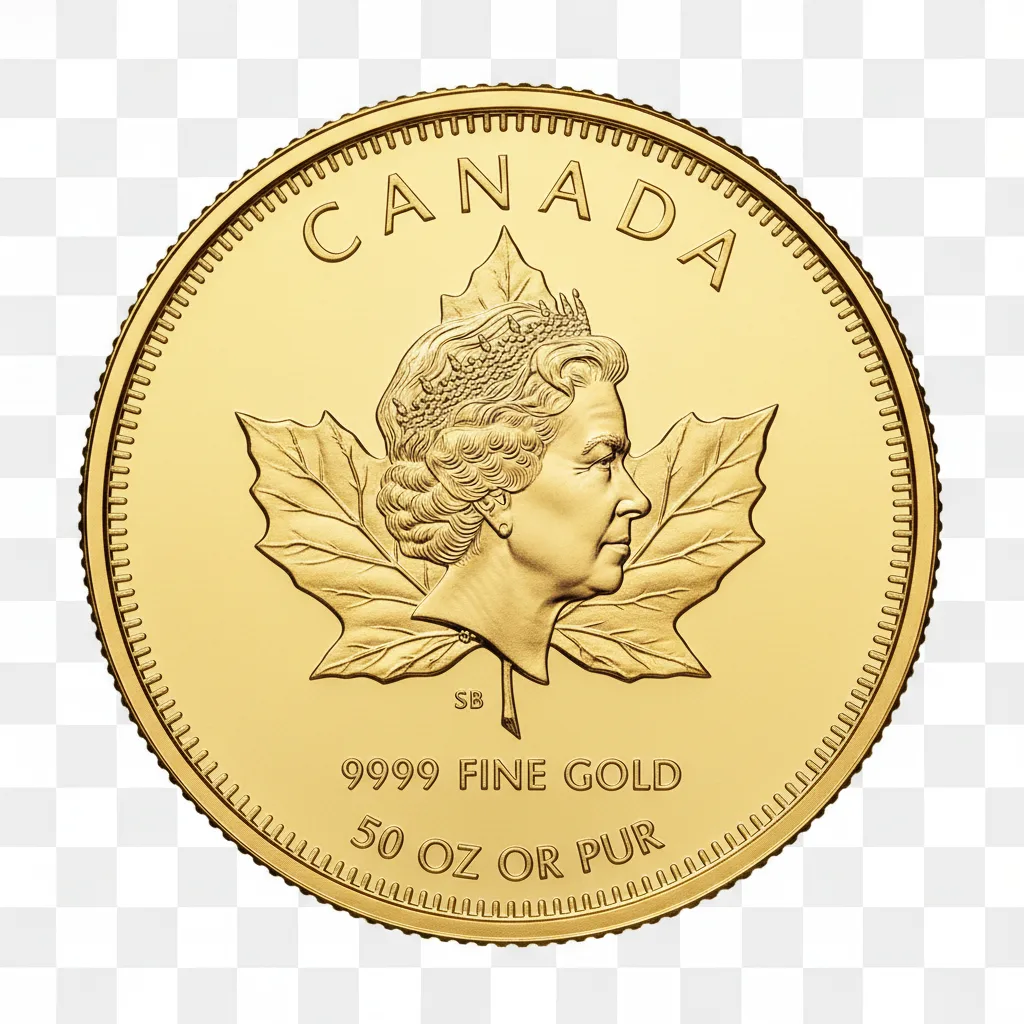
Canadian Maple Leaf
Royal Canadian Mint — Micro-engraved security mark
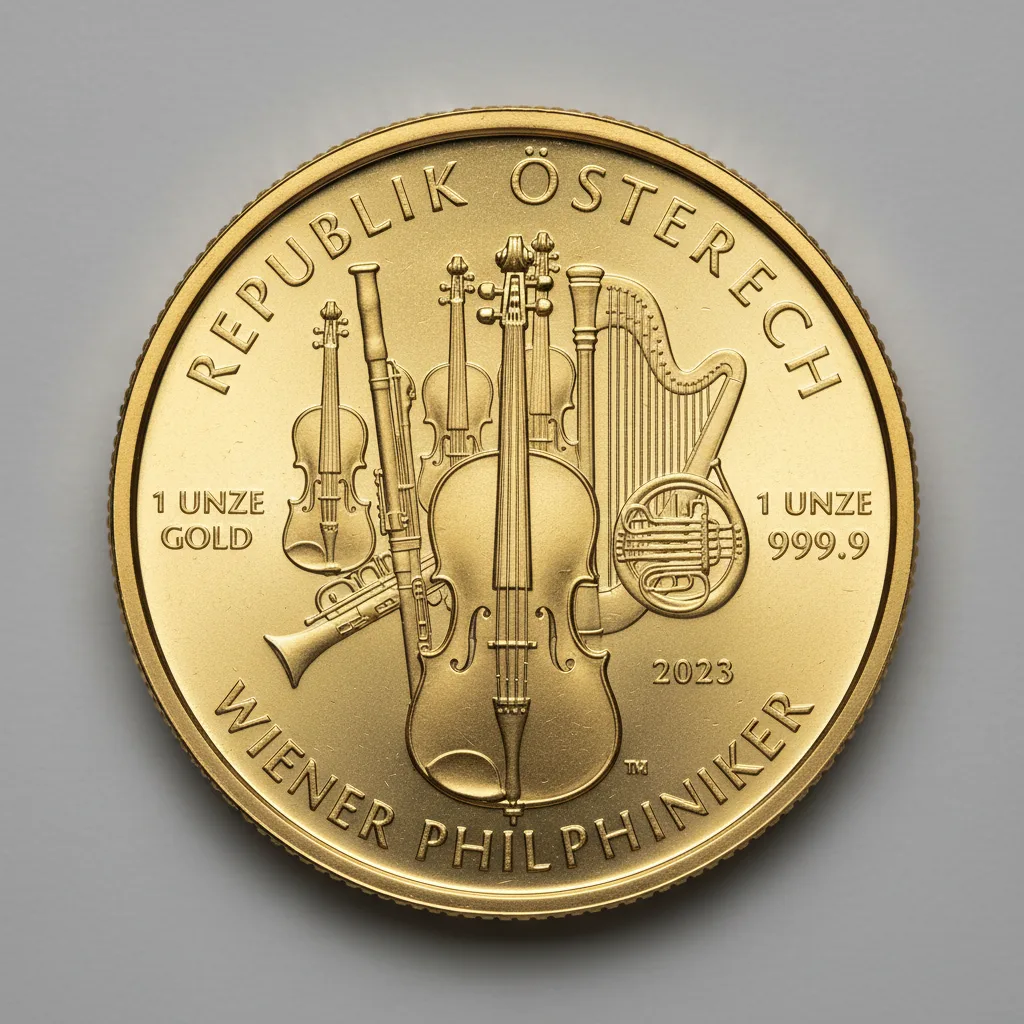
Austrian Philharmonic
Austrian Mint — Struck by the Austrian Mint, widely traded
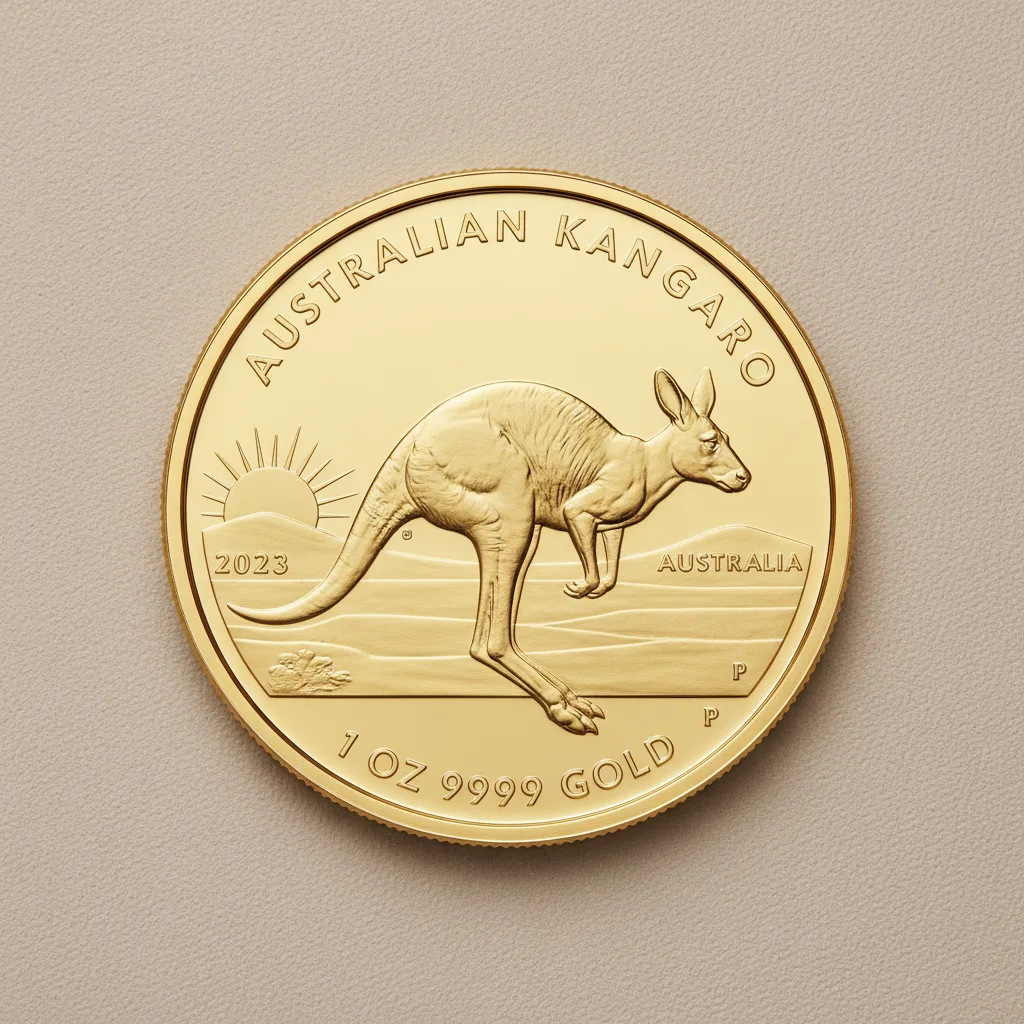
Australian Kangaroo
Perth Mint — Design changes annually
Certain silver, platinum and palladium products may also be eligible. Confirm any specific product with your custodian, and see our guides for more detail.
Ninety seconds, start to finish
Watch how a Gold IRA works
The whole picture — rollover, metals, vault — drawn out simply enough to explain to your spouse over coffee.
Keep learning
Insider Gold Guides
No hype, no countdown timers — the questions people actually ask, answered the way Adam answers them in person.







Straight answers
Questions we hear at every kitchen table
Yes. Self-directed IRAs holding physical precious metals have been permitted since the Taxpayer Relief Act of 1997. The account is subject to the IRS rules governing IRAs, and those rules differ depending on whether the account is traditional or Roth. The difference from a conventional IRA is what it holds: coins and bars meeting the IRS fineness requirements, held by a qualified IRA trustee or custodian.
That depends on how the money moves and on your own circumstances, so it is a question for a qualified CPA or tax professional. Mechanically, a direct trustee-to-trustee transfer or direct rollover moves funds between custodians without you taking receipt of the money. In an indirect rollover the funds are paid to you personally and must be redeposited into a qualifying retirement account within 60 days; missing that deadline can have adverse tax consequences, including an additional tax on early distributions. The IRS publishes the rules that govern all of this.
No. Eligible metals must be held by a qualified IRA trustee or custodian, often through a depository accepted by that institution. Storage, insurance, auditing and segregation arrangements vary. Taking personal possession of IRA metals, including storing them in a home safe or residence, can create adverse tax consequences and may be treated as a distribution. Consult a qualified CPA or tax professional before making any arrangement of this kind.
Costs may include a one-time setup fee, annual custodian and storage fees, and dealer-related pricing or spreads. Amounts vary by provider.
Only certain coins and bullion meeting federal eligibility rules may be held in an IRA. The fineness standards are generally 99.5% for gold and 99.9% for silver, with specific statutory exceptions such as the 91.67% American Gold Eagle. Most collectible and numismatic coins are not eligible, and individual custodians may maintain narrower accepted-product lists, so confirm any specific product with your custodian.
We do not provide personalized financial or asset allocation advice. Portfolio decisions depend entirely on individual financial circumstances, time horizons, and risk tolerance. We strongly recommend speaking with a licensed financial advisor to determine whether physical precious metals align with your broader retirement plan.
When you're ready
Learn How Vaulted Precious-Metals IRAs Work
The next step isn't a purchase, it's a conversation. Augusta states that its one-on-one web conference occurs before a transaction, and that it puts fees in writing and explains the spread before purchase.
We may receive compensation when readers use certain links. See our affiliate disclosure.